
测试
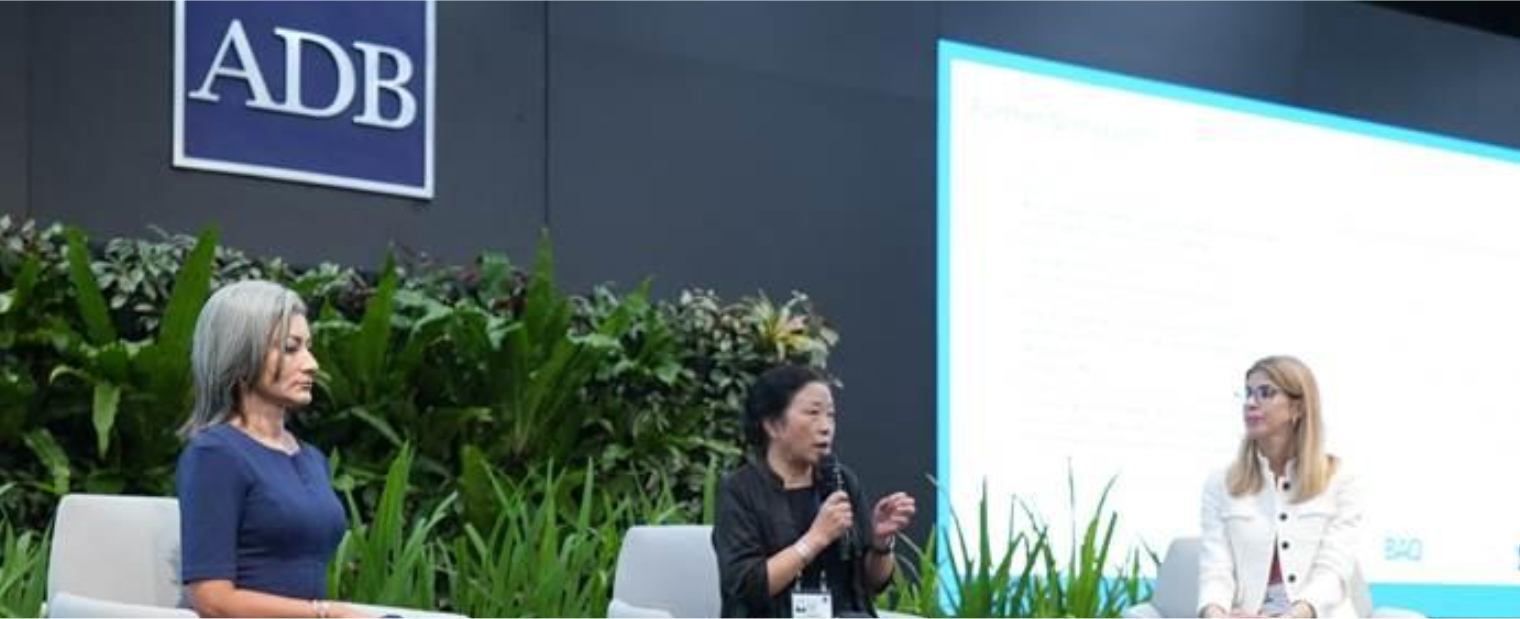
11月15日-17日,亚洲清洁空气中心(CAA)、亚洲开发银行(ADB)、气候与清洁空气联盟(CCAC)在菲律宾马尼拉联合举办第11届更好的空气质量大
会(Better Air Quality Conference,简称“BAQ大会”)。大会围绕主题“从雄心迈向行动:实现清洁空气目标,减少健康和气候影响”(Ambition to
Action: Clean air for health and the climate)展开,设有20 多个分论坛,百余个主旨报告、圆桌对话和主题分享,亮点纷呈、精彩连连。
Interview Clean Air Initiative
发布时间:2015-10-02
- Carbon emission & fuel savings are some of the great challenges that India is facing. However the need for transportation has never been so huge. How to achieve success towards sustainable mobility?
- (I m assuming this question has nothing to do with Green Freight and is a gen qn)
- You co organized with the SIAM the Green Freight Seminar during 11th Auto Expo. You call for a better stakeholders education. How do you plan to raise awareness among corporates?
Yes, one of the main reasons for doing this seminar with the industry body like – SIAM is because it is essential to expose the stakeholders and the corporates to the various best practices across the world. Initiatives like what Mr Prem Verma, CEO TML Distrbution and Sweeny Chawla, DHL talked about is something that more and more corporates must know and adopt or atleast are a stakeholder.
- As you claim, there is a huge need for R&D investment regarding clean technologies. But such technologies are expensive. What is the way to make them adopted among freight players?
But again, the government has to decide that which R&D investments are ‘essential’ and which are ‘desirable’ and support essential R&D investments.
4. For example, which kind of concrete technologies that already exist would you like to be adopted as soon as possible? Is it regarding engine or equipment or?
Su: According to our experience from Guangzhou, Guangdong, and China GF projects, we summarize such technologies as follows:
Aluminum wheels (equipment, tested on Guangzhou trucks)
Low rolling resistance tires (equipment, tested on Guangzhou trucks)
Tire pressure monitoring system (equipment, tested on Guangzhou trucks)
External signal booster (equipment, tested on Guangzhou trucks)
Cabin fairing (equipment, tested on Guangzhou trucks)
Nose cone (equipment, tested on Guangzhou trucks)
Electrified parking spaces / truck stop electrification (equipment)
Auxiliary power unit (auxiliary engine)
Various kinds of aerodynamic technologies (equipment)
Diesel oxidation catalyst; diesel particulate filters (equipment)
We propose to adopt such above technologies that under US EPA’s verification or at least local verification procedures.
Chee ann: I need to see this
- What is the next step? Please explain what are the initiatives you plan to launch with government and industries?
1. National green freight programs or initiatives in all major Asian countries that are consistent and build on the US SmartWay Transport Partnership and other programs and that cover technologies, logistics, financing, partnerships, knowledge management and capacity building
2. A strong Green Freight Asia Network of private sector companies to share experiences, foster collaborations between shippers/logistics providers and truck companies, scale up efforts jointly, and provide input into national initiatives
3. Streamlined methodologies/protocols for fuel and CO2 measurement and reporting and a central database for data from freight carriers, national statistics, and other studies.
Specific to the India:
-
Form working Groups
- Work on Policies
- Driver Trainings
- Organise Pilot Projects
 微信
微信
 微博
微博